





FAQs for Control Protection Relays
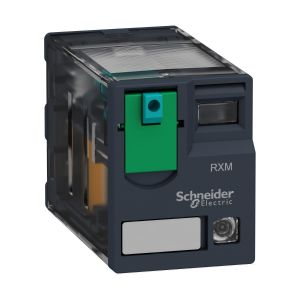
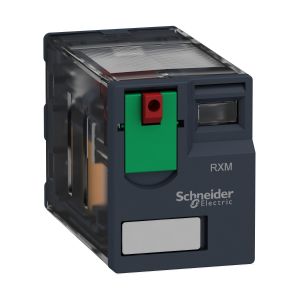
1. What is the difference between an Electromechanical Relay (EMR) and a Solid State Relay (SSR)? The choice depends on your switching frequency and load type. Electromechanical Relays use a physical coil and moving contacts; they are robust, provide complete "galvanic isolation," and are generally more cost-effective for general-purpose switching. Solid State Relays (SSR) use semiconductors with no moving parts, making them ideal for high-speed, repetitive switching (like heater control) as they do not wear out. For industrial projects in Africa and the GCC, SSRs are preferred for their silent operation and resistance to vibration, while EMRs are the standard for control logic and high-power isolation where a physical "click" confirmation is helpful for technicians.
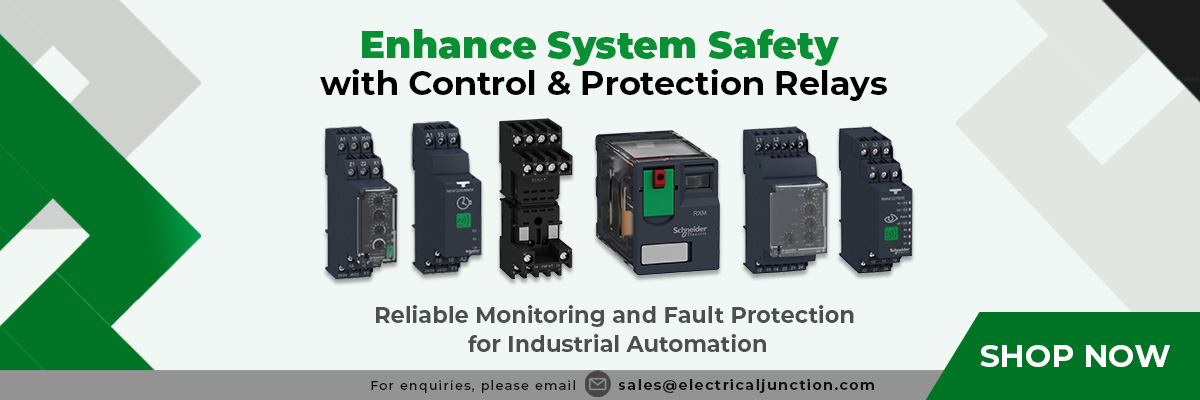
2. Can your monitoring relays protect my equipment from "Phase Loss" and "Brownouts" common in remote regions? Yes. In many African and GCC industrial zones, unstable power grids can lead to "Phase Loss" or "Under-Voltage" (brownouts), which can destroy 3-phase motors. We stock Phase Monitoring Relays from Schneider and ABB that specifically detect these faults. If a phase drops or the voltage falls below a safe threshold, the relay immediately trips the control circuit to isolate the motor. These devices are a "must-have" for B2B contractors building panels for remote pumping stations or telecommunications sites where consistent power quality is not guaranteed.
3. Do you provide relays with "Universal Coil Voltages" for use in KSA and the UAE? One of the biggest challenges in the MENA region is the mix of 50Hz (UAE) and 60Hz (KSA) power, along with varying control voltages (24V DC to 230V AC). We supply ABB CR-S and Schneider Harmony relays with wide-range or universal coils. These electronic coils can operate across a broad spectrum (e.g., 24V to 240V AC/DC) without humming or burning out. This versatility is highly valued by our B2B partners, as it allows them to stock a single relay model that works for projects across the entire GCC and Africa, simplifying inventory and maintenance.
4. How do your relays handle the high ambient temperatures of Middle Eastern control panels? Relay coils generate heat, and when packed tightly in a 50°C+ enclosure, they can fail prematurely. The premium relays we stock are rated for operation up to +60°C or +70°C. We recommend using Slim Interface Relays (6mm width) for better airflow and using sockets with integrated LED indicators to quickly identify "over-temperature" or coil failure. For our Saudi and African clients, we provide derating data to ensure that the contact current ratings (e.g., 5A or 10A) remain valid even during the peak summer months in unventilated outdoor panels.
5. Are your relays SASO/SABER certified for export to Saudi Arabia? Absolutely. All industrial relays supplied by Electrical Junction are compliant with the G-Mark requirements for the Gulf region. For our Saudi Arabian clients, we ensure that the relays (specifically those used in monitoring and control) meet the SASO Technical Regulations. We assist B2B procurement teams by providing the necessary SABER PCoC (Product Certificate of Conformity) and technical data sheets, ensuring that your switchgear components meet the rigorous quality standards of the Saudi Electricity Company (SEC) and clear customs without delay.